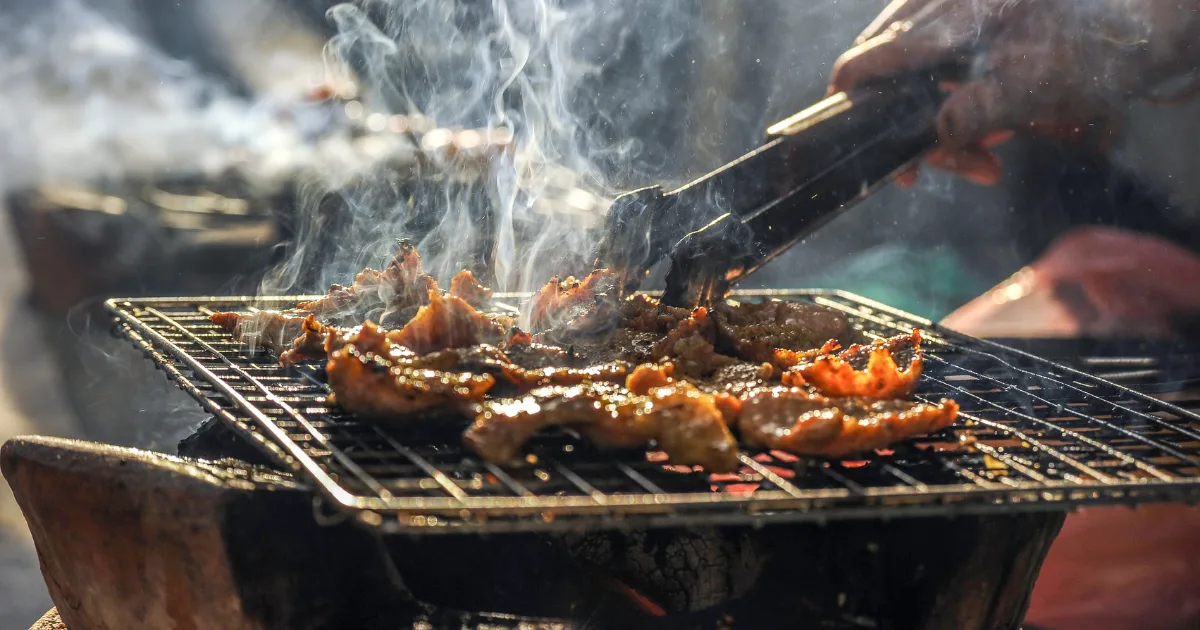
here’s something deeply satisfying about standing around a braai fire — the crackle of wood, the scent of smoke, and the promise of a perfectly grilled chop or steak. But while most people focus on the cut of meat or the marinade, there’s a less talked-about hero behind every great braai: the wood.
Choosing the right wood for your braai isn’t just a nice-to-have — it’s essential. From heat levels to cooking times and that all-important smoky flavour, the type of wood you use can transform your braai from average to unforgettable.
Why Wood Choice Matters
At its core, a braai is about fire. And the fire you build depends entirely on the wood you use. The right wood:
- Burns at the right temperature – giving you good coals for cooking.
- Lasts long enough to cook your meat properly.
- Adds flavour to your food through aromatic smoke.
On the flip side, the wrong wood can leave your meat tasting off, smoke out your guests, or turn your fire into a quick-burning mess that’s over before the meat hits the grill.
The Best Types of Wood for Braai
In Southern Africa, we’re lucky to have access to some of the best hardwoods for braaiing. Here are a few top picks:
🌳 Sekelbos
A favourite for many, Sekelbos is a dense hardwood that burns hot and produces minimal smoke. It’s ideal for red meat, adding a mild, earthy flavour that enhances rather than overpowers.
🌳 Kameeldoring
Slow-burning and extremely hot, Kameeldoring is a go-to for serious braai masters. It burns with a clean flame, creates long-lasting coals, and offers a subtle, rich aroma that works beautifully with steak, lamb, and venison.
🌳 Rooikrans
This coastal wood is known for its quick ignition and hot burn. While it doesn’t last as long as Kameeldoring, it’s great for quicker cooks or when you need to get coals ready fast. It also gives off a bold, smoky flavour that pairs well with beef and boerewors.
What to Avoid
Not all wood is braai-worthy. Softwoods, like pine or bluegum, burn too quickly and can release toxic resins or excessive smoke that taint your food and leave a bad aftertaste. Wet or green wood is another no-no — it sizzles, smokes, and doesn’t provide consistent heat.
If you’re tempted to use offcuts or leftover construction wood, think again. These often contain chemicals, paints, or preservatives that are unsafe for cooking.
Matching Wood to Meat
For the perfect braai experience, think of your wood like a seasoning:
- Beef & Game – Stronger woods like Kameeldoring or Rooikrans complement bold meats.
- Chicken & Pork – Milder woods like Sekelbos bring out the natural sweetness without overpowering.
- Fish or Veg – Go for very subtle smoke; consider combining hardwood coals with wood chips for more control.
Pro Tips for a Better Fire
- Seasoned wood only – Use wood that’s been dried for at least 6–12 months.
- Mix it up – Blend woods to customise your heat and flavour. For example, start with Rooikrans to get the fire going, then add Kameeldoring for longer burn.
- Use just enough – Don’t overload the fire. You want strong, glowing coals — not towering flames.
Final Thoughts
A good braai is about more than meat — it’s about process, patience, and quality ingredients. And that includes the wood. By choosing the right type, you’re not just building a fire — you’re crafting flavour, atmosphere, and tradition.
So next time you plan a braai, take a moment to consider what’s under the grid. With the right wood, you’ll taste the difference in every bite.